
10 Best High-Protein Snacks in India (2026 Guide)
The best high-protein snacks in India with exact protein per serving: paneer, hung curd, soya chunks, roasted chana, peanuts, sattu and more. Includes vegan options, a label checklist and safety notes.
Chef Vikram Mehta
VerifiedBTC Food & Nutrition Team
# 10 Best High-Protein Snacks in India (2026 Guide)
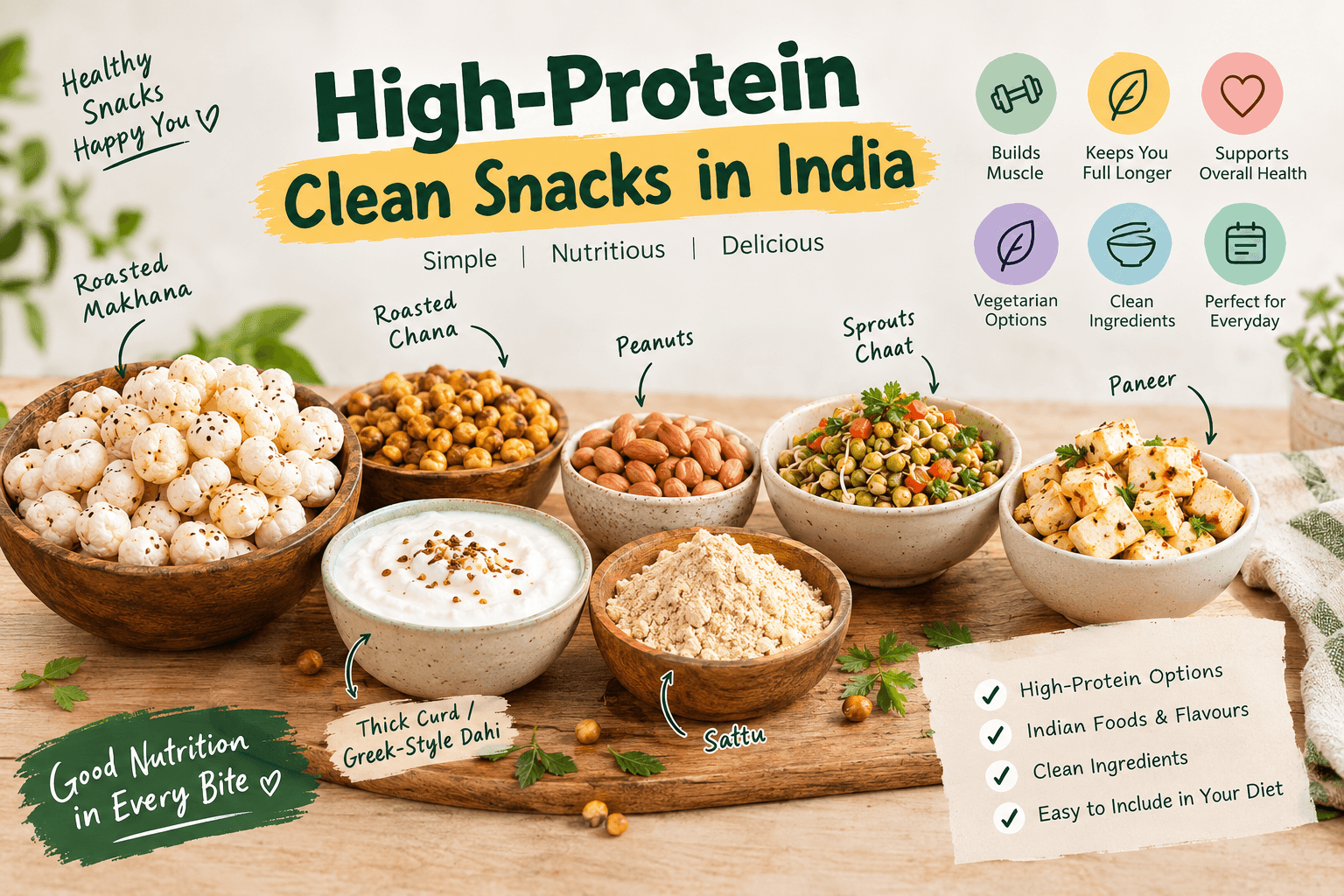
Quick answer: The best high-protein snacks in India are paneer (9–13 g per 60 g), hung or Greek-style curd (10–15 g per 150 g), soya chunks (about 13 g per 25 g dry), roasted chana (6–9 g per 30–40 g), peanuts (7–8 g per 30 g) and sattu (6–7 g per 30 g). Plain makhana has only 2.5–3 g per 30 g, so it works best as a crunchy base mixed with one of these.
You do not need imported bars or supplements. This guide gives realistic serving sizes, protein and calorie numbers, vegan alternatives, a label-reading checklist and safety notes. Numbers are approximate and based on Indian Food Composition Tables (IFCT 2017) and standard food data; brands vary.
1. What counts as a high-protein snack?
A high-protein snack gives roughly 8–15 g of protein in a serving you would realistically eat, without a large load of sugar, sodium or refined oil. There is no single legal or scientific cut-off, so judge each snack on three things: protein per actual serving, what comes with it (calories, fat, sugar, sodium, fibre), and whether it helps spread protein across your day.
2. How much protein do you need per day?
Sedentary Indian adults need about 0.83 g of protein per kg of body weight per day, according to the ICMR-NIN Nutrient Requirements for Indians (2020). That works out to roughly 54 g/day for the reference man (65 kg) and 46 g/day for the reference woman (55 kg). People who train regularly are commonly advised to aim higher, often 1.2–2.0 g/kg/day, depending on goals and guidance from a qualified professional.
Because of this, one snack rarely needs to do the heavy lifting. If breakfast, lunch and dinner already contain dal, dairy, eggs or soya, a snack with 8–12 g is plenty. If your meals are light on protein, a 12–15 g snack helps close the gap. Protein supplements are not needed when food intake is adequate.
3. The 10 best high-protein snacks in India
1. Paneer: 9–13 g per 60 g A 50–70 g serving of paneer provides about 9–13 g of protein and roughly 130–185 kcal, depending on whether it is full-fat or low-fat. Grill or tawa-toast cubes with chaat masala and pair with cucumber or capsicum for volume.
2. Hung curd or Greek-style dahi: 10–15 g per 150 g Hung curd and Greek-style dahi contain about 8–10 g protein per 100 g, so a 150 g bowl gives roughly 12–15 g. Regular dahi is much lighter at about 3.5–4 g per 100 g (around 7–8 g per 200 g). Choose plain and unsweetened, and check the label because protein varies widely.
3. Soya chunks: about 13 g per 25 g dry Dry soya chunks are among the most protein-dense foods in the Indian kitchen, at around 50 g per 100 g. A 25 g dry portion (which swells to about 60–75 g cooked) gives about 13 g protein and roughly 85–90 kcal. Boil, squeeze out water, then sauté with spices or air-fry.
4. Roasted chana: 6–9 g per 30–40 g Roasted chana provides about 6.5 g of protein in 30 g and 9 g in 40 g, along with fibre and slow-release carbohydrate. It is shelf-stable and the easiest travel or office option. Choose plain or lightly spiced versions and watch sodium in heavily flavoured packs.
5. Peanuts: 7–8 g per 30 g A 30 g handful of plain roasted peanuts gives 7–8 g of protein and about 170 kcal, mostly from unsaturated fats. They are calorie-dense, so measure the portion. Skip sugar-coated or heavily salted varieties.
6. Sattu: 6–7 g per 30 g Two level-to-heaped tablespoons (about 30 g) of sattu provide 6–7 g of protein and roughly 110 kcal. Stir into water or buttermilk with lemon, roasted cumin and a pinch of salt for a quick drink, or make a stuffing or ladoo. Add a small handful of roasted chana to reach about 13 g.
7. Sprouts chaat: 4–7 g per 150 g A 150 g bowl of moong or mixed sprouts gives about 4–7 g of protein plus fibre, folate and vitamin C. Add 30–40 g paneer or a spoon of roasted peanuts and you reach about 10–12 g.
8. Tofu: 8–10 g per 100 g Firm tofu gives about 8–10 g of protein per 100 g and is naturally vegan. Cube and pan-sear with pepper and soy or lemon, or crumble into a bhurji-style snack.
9. Moong dal chilla: 8–10 g per 2 medium chillas Two medium chillas made from soaked moong dal give roughly 8–10 g of protein and about 150–200 kcal, depending on oil. Stuffing with grated paneer or tofu lifts protein further.
10. Boiled eggs: about 6 g per large egg For non-vegetarian readers, one large boiled egg provides about 6 g of high-quality protein for roughly 70–75 kcal. Two eggs make a compact, portable 12 g snack.
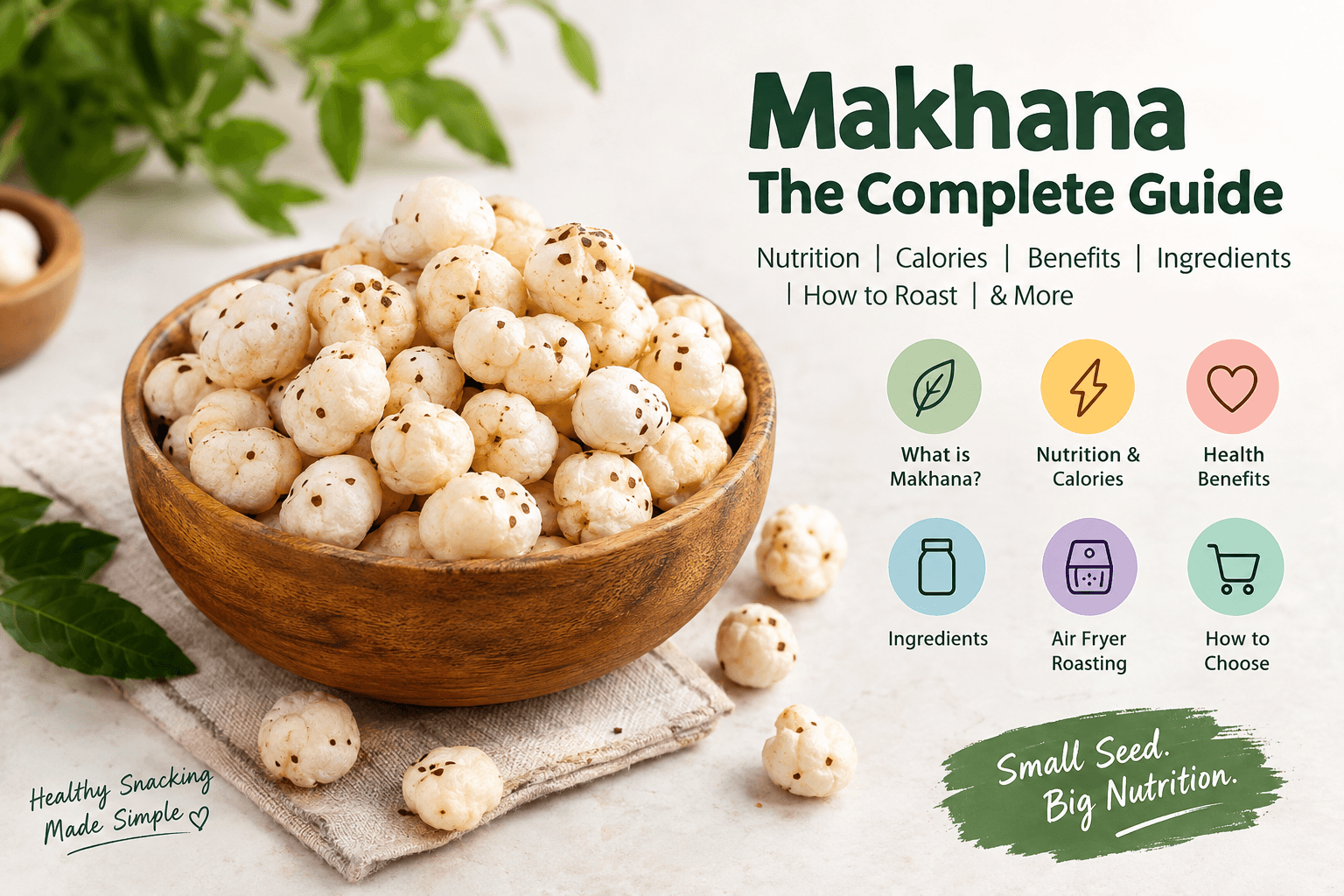
Honourable mention: makhana, almonds and seeds Plain roasted makhana gives only 2.5–3 g protein per 30 g, but it is light and crunchy, which makes it an excellent base. Almonds (about 6 g per 30 g) and pumpkin seeds (about 6 g per 20 g) are handy add-ins. Our [complete makhana nutrition, calories and benefits guide](/blog/complete-makhana-guide) has full numbers, and this [makhana vs popcorn comparison](/blog/makhana-vs-popcorn-healthier-snack) shows how it stacks up against another popular crunchy snack.
4. Protein snack comparison table
| Snack | Serving | Protein (approx.) | Calories (approx.) | Vegan? | Best for |
|---|---|---|---|---|---|
| Paneer | 60 g | 10–11 g | 150–160 kcal | No | Post-workout, evening |
| Hung / Greek-style curd | 150 g | 12–15 g | 100–150 kcal | No | Post-workout, breakfast |
| Soya chunks (dry weight) | 25 g | ~13 g | ~85–90 kcal | Yes | Gym, high-volume snack |
| Roasted chana | 30–40 g | 6.5–9 g | 110–145 kcal | Yes | Office, travel |
| Peanuts | 30 g | 7–8 g | ~170 kcal | Yes | Travel, energy needs |
| Sattu | 30 g | 6–7 g | ~110 kcal | Yes | Pre-workout, summer drink |
| Sprouts chaat | 150 g | 4–7 g | 45–100 kcal | Yes | Evening, low-calorie |
| Tofu | 100 g | 8–10 g | 80–120 kcal | Yes | Light meals |
| Moong dal chilla | 2 medium | 8–10 g | 150–200 kcal | Yes* | Breakfast, tiffin |
| Boiled egg | 1 large | ~6 g | 70–75 kcal | No | Anytime (non-veg) |
| Plain makhana | 30 g | 2.5–3 g | ~105 kcal | Yes | Crunchy base only |
Values are approximate and vary with brand, moisture, preparation and oil. *Vegan if made without paneer or ghee. Always check the label of any packaged product.
5. High-protein vegetarian and vegan snacks
Every snack above except boiled eggs is vegetarian. For vegans, the reliable list is soya chunks, tofu, roasted chana, peanuts, sattu, sprouts, moong chilla, seeds and nuts. Plant proteins vary in amino acid balance, and pulses are lower in methionine while grains are lower in lysine. In practice this is easy to solve with variety across the day, for example dal with roti or rice, or chana with a small grain-based snack. You do not need to combine them in the same sitting.
6. Best high-protein snacks by situation
Office: Roasted chana, plain peanuts, a makhana and chana mix, or a sealed hung-curd cup if you have a fridge.
#111111]">Travel: Shelf-stable options such as roasted chana, peanuts, makhana mixes and sattu sachets. For ideas that pair well with training, see our guide to [gym snacks in India and higher-protein options.
#111111]">Before training: Choose lighter snacks with some carbohydrate and moderate protein, such as sattu drink or makhana with a banana. More ideas in our [pre-workout snacks in India guide.
After training: Aim for 15–25 g protein: hung curd with fruit, paneer with vegetables, soya chunk stir-fry or two boiled eggs.
#111111]">Evening cravings: Go for volume plus protein: sprouts chaat, hung curd with cucumber and spices, or a makhana and chana mix. Roast your own using this guide on [how to roast makhana in an air fryer.
7. Snack combinations with protein totals
- Makhana (30 g) + roasted chana (30 g): about 9 g protein. Light crunch, good fibre.
- Makhana (30 g) + peanuts (20 g): about 8 g protein, with healthy fats.
- Sprouts (150 g) + paneer (40 g): about 12 g protein, high volume.
- Hung curd (150 g) + almonds (15 g): about 15–17 g protein, easy to make sweet or savoury.
- Sattu drink (30 g) + roasted chana (30 g): about 13 g protein, quick and traditional.
8. What "clean" means, and how to read a label
"Clean" is not a regulated term. In practice it means a short, recognisable ingredient list, low added sugar, sensible sodium and a transparent type of oil or fat. It does not automatically mean healthy or high in protein, so check the nutrition panel using these eight points:
- 1Protein per serving you will actually eat, not just per 100 g.
- 2Serving size: does the pack's serving match reality?
- 3Calories of that portion.
- 4Added sugar, especially in flavoured curd and bars.
- 5Sodium, particularly in masala-roasted snacks.
- 6Type and amount of oil or fat.
- 7Ingredient list: short, recognisable, no unnecessary additives for daily use.
- 8Fibre, and whether the protein comes from a source you would eat anyway.
Front-of-pack phrases such as "high protein" or "clean" are marketing. FSSAI's claims regulations set thresholds for "source of protein" and "high protein" claims, so compare the per-100 g figure against the serving size before you trust a claim.
9. Safety notes and who should be careful
- Kidney disease or a prescribed protein limit: speak to your doctor or dietitian before raising protein intake.
- Nut and peanut allergy: avoid peanuts and check labels for cross-contamination.
- Soy: soya chunks and tofu suit most people, but avoid them if you are allergic and discuss quantities with your doctor if you have a thyroid condition.
- Lactose intolerance: paneer and hung curd are generally better tolerated than milk, but individual responses vary.
- Peanut quality: buy from reputable sources and store airtight, since poorly stored peanuts can carry aflatoxin.
- Sodium: flavoured chana, peanuts and makhana can be high in salt. Choose plain or lightly seasoned options if you have high blood pressure.
- Portion size: peanuts and nuts are energy-dense, so measure rather than eat from the pack.
This article is general information, not medical advice.
10. Where Born To Crave fits in
Roasted makhana is a light, low-fat base, and we designed our range with that in mind. Our [[PRODUCT_NAME]] gives [[X]] g of protein per [[Y]] g serving (see the pack label for full nutrition), and you can boost it further by mixing with roasted chana or peanuts as shown above.
11. Frequently asked questions
What are the best high-protein snacks in India? Paneer, hung or Greek-style curd, soya chunks, roasted chana, peanuts, sattu, tofu and moong chilla are the most practical. Makhana works best when combined with one of these, since plain makhana has only 2.5–3 g protein per 30 g.
What is the single best protein snack in India? On protein per serving alone, soya chunks, hung curd and paneer lead. The best choice for you also depends on your protein target, calories, dietary preference, budget and convenience.
Which Indian snacks are genuinely high in protein? Soya chunks (about 13 g per 25 g dry), hung curd (12–15 g per 150 g), paneer (9–13 g per 60 g), roasted chana (6–9 g per 30–40 g) and peanuts (7–8 g per 30 g).
What are the best high-protein vegetarian snacks in India? Paneer, hung curd, roasted chana, sprouts, sattu, peanuts, soya chunks, tofu and moong chilla. Mixing pulses, dairy and nuts across the day gives good overall protein quality.
Is makhana a high-protein snack? No. Plain roasted makhana gives about 2.5–3 g protein per 30 g. It is valuable as a light, low-fat, crunchy base, and it becomes a higher-protein snack when mixed with roasted chana, peanuts or served with curd.
What does "clean protein snack" mean? It usually means a short, recognisable ingredient list with low added sugar, moderate sodium and no unnecessary additives. The term is not regulated, so verify with the nutrition panel.
How much protein do I need per day? ICMR-NIN (2020) sets the adult RDA at 0.83 g per kg body weight per day, about 54 g for a 65 kg man and 46 g for a 55 kg woman. Regular exercisers often need more, commonly 1.2–2.0 g/kg.
Do I need protein bars or supplements? Not usually. If your meals include dal, dairy, soya, eggs or nuts, snacks like the ones above are enough. Consult a qualified professional if you have specific medical or performance needs.
12. Conclusion
High-protein snacking in India works best with familiar foods, realistic portions and a quick label check. Use paneer, hung curd, soya, chana, peanuts and sattu for protein, and use makhana for lightness and crunch. Rotate your choices, measure energy-dense foods and match the snack to your day.
Sources and data notes
- ICMR-NIN, Nutrient Requirements for Indians: Recommended Dietary Allowances (RDA) and Estimated Average Requirements (EAR), 2020 (National Institute of Nutrition, Hyderabad).
- NIN, Indian Food Composition Tables (IFCT 2017), for pulse, nut, dairy and makhana values.
- FSSAI, Food Safety and Standards (Advertising and Claims) Regulations, 2018, for nutrition claims.
- Serving sizes and totals are rounded approximations and vary by brand and preparation.
Looking for high-protein clean snacks in India that are actually easy to eat every day? Here are 12 practical, affordable options with real protein numbers, cost comparisons, and the clean-label traps to avoid.
Nutritional & FSSAI Health Disclaimer
The nutrition analysis and scientific claims referenced in this article are derived from peer-reviewed food biochemistry and nutritional databases. They are intended for educational and dietary awareness and do not replace personalized clinical advice.
Recommended Reading & Resources
Chef Vikram Mehta
BTC Food & Nutrition TeamThe Born To Crave Editorial and Food Science Team crafts deep-dive nutritional guides, culinary research, and healthy snacking breakdowns for wellness-focused consumers across India.
Continue Reading
More expert guides in Nutrition

Never Miss a Healthy Snacking Breakthrough
Get scientifically backed nutritional breakdowns, healthy 5-minute recipes, and exclusive discount codes directly in your inbox.