
High-Protein Clean Snacks in India: 12 Everyday Options (With Real Protein & Cost Numbers)
Looking for high-protein clean snacks in India that are actually easy to eat every day? Here are 12 practical, affordable options with real protein numbers, cost comparisons, and the clean-label traps to avoid.
BTC | Team
VerifiedBTC Nutrition & Culinary Team
# High-Protein Clean Snacks in India: 12 Everyday Options (With Real Protein & Cost Numbers)
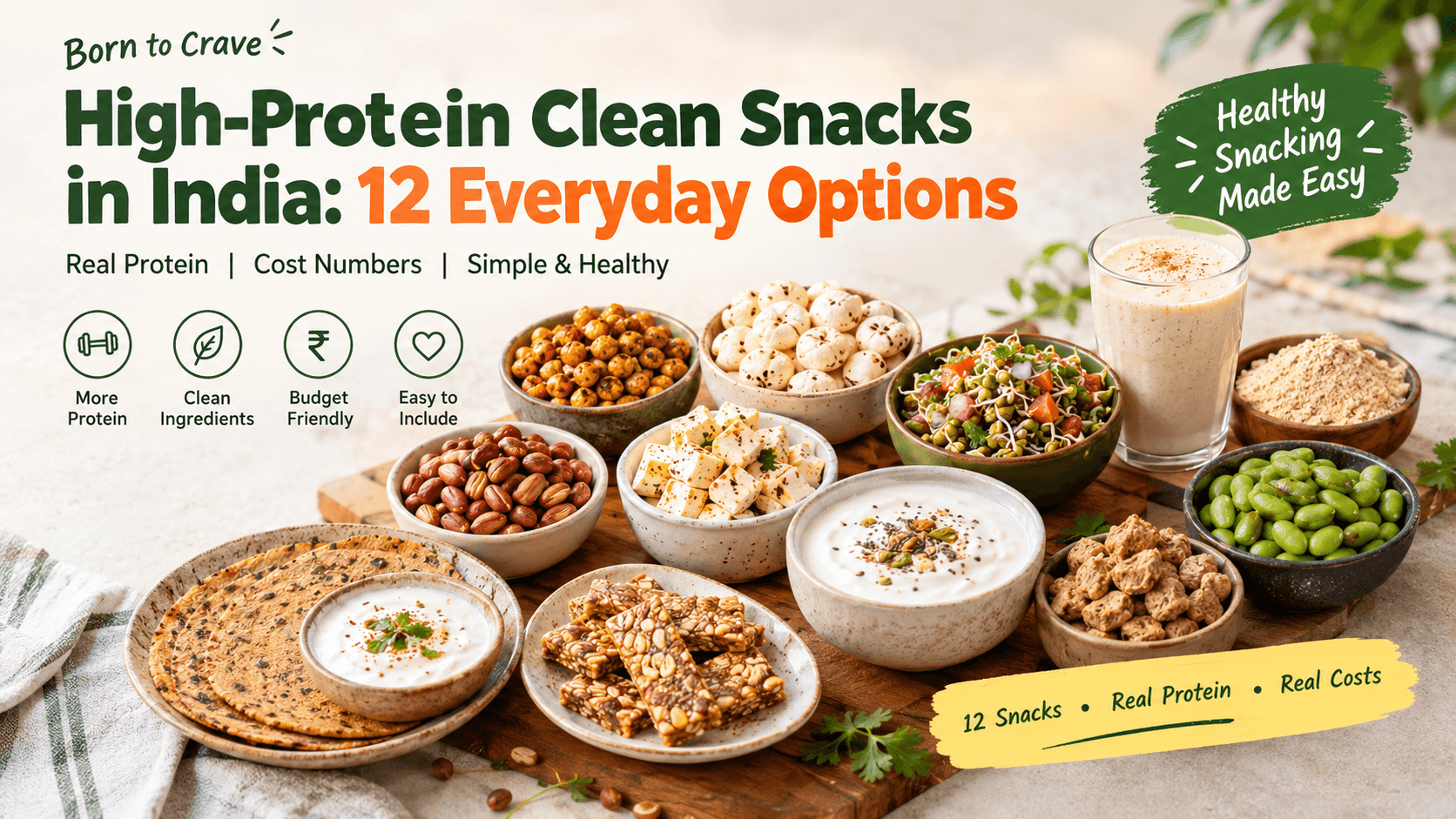
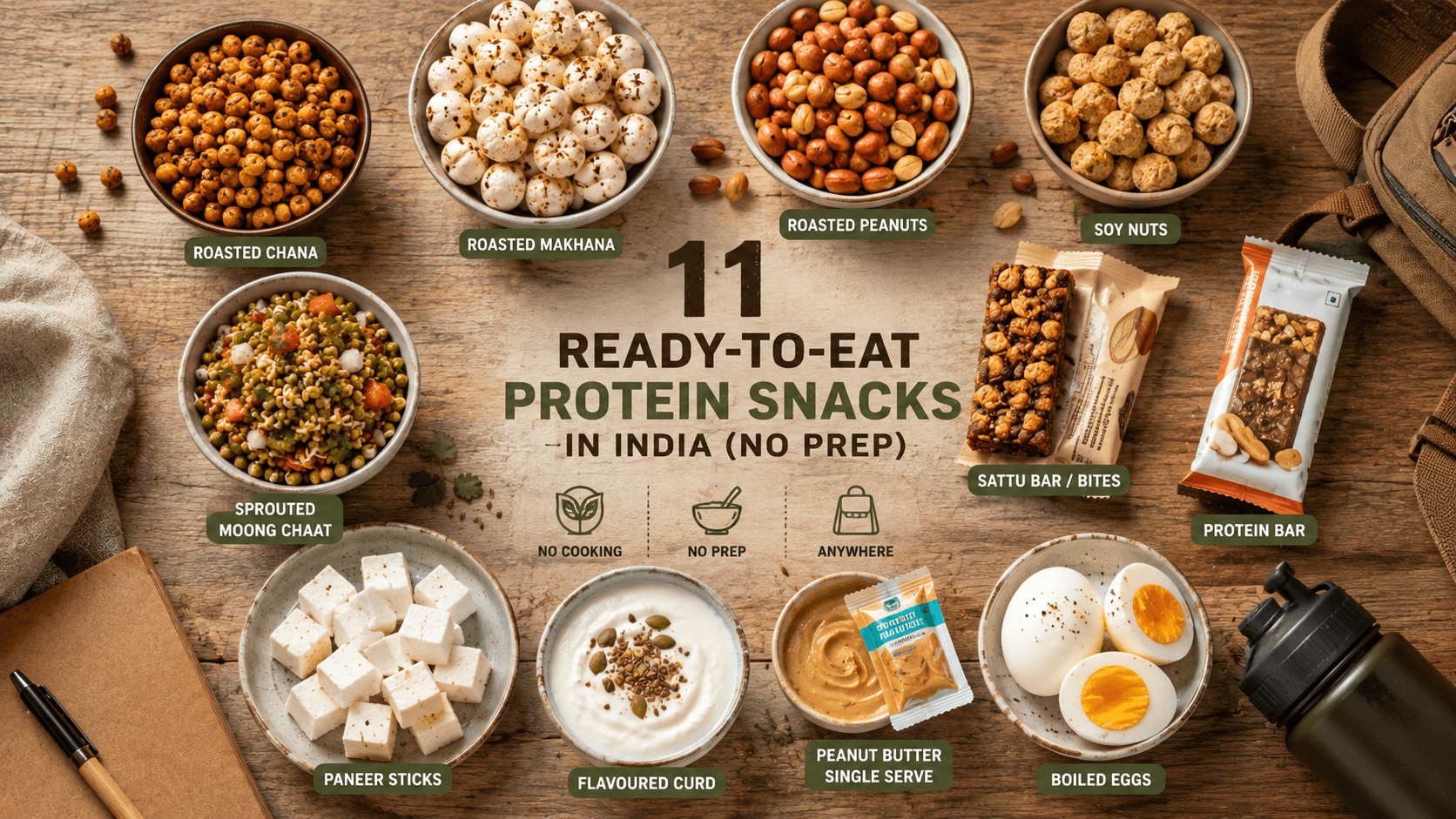
The best high-protein clean snacks in India are roasted chana, roasted makhana, sprouts chaat, roasted peanuts, paneer cubes, thick curd or Greek-style dahi, sattu, roasted soy nuggets, edamame, til-peanut chikki, multigrain khakhra with hung curd dip, and protein lassi. Together these cover 4–20 g of protein per realistic serving, cost a fraction of most packaged protein bars, and use ingredients you already recognise from an Indian kitchen.
Most Indians fall short of the ICMR-recommended 0.8–1 g of protein per kg of body weight per day, and the gap usually opens up between meals — exactly when biscuits, namkeen, and sugary packaged snacks step in. This guide breaks down which clean, everyday options actually close that gap, how their protein numbers compare on paper versus in a real serving, and how to slot them into a normal Indian workday.
Why "Clean" Protein Snacking Matters in India
Walk down any supermarket aisle in India today and almost every third packet shouts "high protein" — chips, biscuits, even namkeen. Very few of them are what a nutritionist would call clean. Clean, here, means:
- Minimal processing — the ingredient list reads like a recipe, not a chemistry set
- No palm oil used purely to cut cost
- No artificial colours, flavours, or preservatives
- Little to no added sugar and zero trans fat
- A protein number that holds up in a realistic serving, not just per 100 g on a lab sheet
That last point matters more than most posts on this topic admit. You'll see claims that soy nuggets carry 35–52 g of protein per 100 g, or that peanuts hit roughly 25 g per 100 g — and those figures are accurate. But nobody eats 100 g of dry soy nuggets or peanuts in one sitting. Once you translate that to an actual handful (25–30 g), the numbers land much closer to the everyday foods in this list, and the “clean” half of the equation — how it's processed, salted, and packaged — ends up deciding whether it's actually a good daily choice.
What Makes a Snack Truly Clean and High-Protein
A snack earns a place on this list only if it:
- Delivers at least 5–6 g of protein per realistic serving
- Comes from whole or minimally processed ingredients
- Contains little or no added sugar and zero trans fat
- Is free from palm oil and long lists of additives
- Tastes good enough that you'll actually eat it on a random Tuesday, not just once out of curiosity
Most "high-protein" packaged products fail on the last three points even when the protein number itself is genuine.
High-Protein Clean Snacks in India — Full Comparison
| Snack | Serving Size | Protein (approx.) | Cost (approx. ₹) | Clean-Label Check | Best For |
|---|---|---|---|---|---|
| Roasted chana | 40 g | 10–11 g | 10–20 | Clean if plain-roasted | Desk, travel |
| Roasted makhana | 30 g (1 cup) | 4–5 g | 25–45 | Clean if dry-roasted | Light evening snack |
| Peanuts (roasted) | 30 g | 7–8 g | 5–15 | Clean if unsalted/lightly salted | Budget, travel |
| Sprouted moong chaat | 100 g | 8–9 g | 15–30 | Clean (home-made) | Fibre + protein |
| Paneer cubes | 50–100 g | 9–20 g | 40–100 | Clean if fresh, unprocessed | Post-workout |
| Thick curd / Greek dahi | 150 g | 10–13 g | 20–40 | Clean if unsweetened | Breakfast, mid-am |
| Sattu drink | 30 g powder | 10–11 g | 10–20 | Clean (single-ingredient) | Summer cooling |
| Roasted soy nuggets | 30 g | 15–16 g | 20–35 | Caution — check oil/salt used | Highest protein density |
| Edamame (steamed) | 100 g | 11 g | 40–80 | Clean, minimally processed | Evening snack |
| Til-peanut chikki (jaggery) | 25 g | 5–6 g | 15–25 | Clean if no refined sugar | Sweet craving, clean |
| Multigrain khakhra + hung curd | 2 pcs + 50 g curd | 8–9 g | 20–35 | Clean if khakhra is plain | Office snack |
| Protein lassi (curd + sattu) | 250 ml | 14–15 g | 20–30 | Clean (home-blended) | Post-workout, filling |
Numbers are approximate and based on commonly available Indian ingredient data; actual values vary by brand and preparation.
1. Roasted Chana — Still the Most Underrated Protein Snack
A 40 g handful of roasted Bengal gram gives roughly 10–11 g of protein plus fibre, needs no refrigeration, and costs next to nothing. Toss it with a pinch of chaat masala and lemon juice, and skip the oil-fried or heavily coated versions if you want it to stay clean.
2. Roasted Makhana — Light, Crunchy, and Genuinely Low-Fat
Makhana (fox nuts) carry about 9–10 g of protein per 100 g, so a realistic 30 g serving works out to 4–5 g — modest, but it comes with almost no fat when dry-roasted, plus useful minerals like magnesium. Pairing a handful with peanuts or pumpkin seeds pushes the protein density up without adding much fat.
3. Sprouts Chaat — Fresh Protein Plus Fibre
Sprouted moong or mixed sprouts give 8–9 g of protein per 100 g, along with fibre and vitamin C generated during sprouting. A quick chaat with onion, tomato, coriander, and lemon needs no cooking if the sprouts are ready.
4. Peanuts — The Best Protein-Per-Rupee Option
A 30 g serving of roasted peanuts delivers 7–8 g of protein plus healthy fats, at one of the lowest costs per gram of protein on this entire list. Keep portions modest since peanuts are calorie-dense, and watch for versions cooked in reused or palm oil at street stalls.
5. Paneer Cubes — The Highest-Protein Vegetarian Option
Paneer offers 18–20 g of protein per 100 g. Even a modest 50 g portion, sprinkled with chaat masala or black pepper, delivers around 9–10 g of complete protein with all essential amino acids. Grilled or raw both work; deep-fried paneer cancels out most of the "clean" benefit.
6. Thick Curd or Greek-Style Dahi
A 150 g bowl of thick homemade curd or Greek-style dahi gives 10–13 g of protein. A teaspoon of flax or pumpkin seeds on top adds a bit more protein and healthy fat. Sweetened commercial versions defeat the purpose — check the label for added sugar before buying.
7. Sattu Drink — The Original Indian Protein Shake
Sattu (roasted Bengal gram flour) mixed with water, a pinch of salt or roasted cumin, and lemon delivers roughly 10–11 g of protein per 30 g serving. It's naturally cooling, extremely budget-friendly, and about as close to a "clean-label protein shake" as Indian food gets.
8. Roasted Soy Nuggets — The Highest Protein Density, With a Caveat
Soy nuggets (soya chunks) are the outlier on this list: dry, they can carry 35–52 g of protein per 100 g depending on the brand, and even a modest 30 g roasted serving works out to roughly 15–16 g. The catch is preparation — many packaged, ready-to-eat soy snacks are deep-fried or heavily seasoned with MSG-style flavour enhancers. Dry-roast plain soy chunks at home with light spices, or check the ingredient list carefully if buying ready-made, to keep this one genuinely clean.
9. Edamame — A Newer Addition Worth Stocking
Steamed edamame (young soybeans, still in the pod or shelled) gives about 11 g of protein per 100 g along with fibre and folate. It's now easy to find frozen in most Indian metro supermarkets, needs only a quick steam and a pinch of salt, and has almost no downside from a clean-label perspective.
10. Til-Peanut Chikki — Proof That Clean Can Still Be Sweet
A 25 g piece of chikki made from sesame seeds, peanuts, and jaggery (no refined sugar) gives around 5–6 g of protein along with healthy fats and iron. It satisfies a sweet craving far more cleanly than a chocolate protein bar, provided the jaggery-to-nut ratio isn't tipped too far toward sugar — homemade or small-batch versions are safest.
11. Multigrain Khakhra With Hung Curd Dip
Two plain multigrain khakhras with 50 g of hung curd (strained yoghurt) as a dip give roughly 8–9 g of protein combined, plus fibre from the multigrain base. It's one of the few genuinely portable, no-refrigeration-needed options on this list that still delivers real protein rather than just crunch.
12. Protein Lassi — A Filling, Post-Workout Option
Blend 200 ml of curd with a tablespoon of sattu or roasted chana powder, a pinch of salt or a little jaggery, and ice. The result gives around 14–15 g of protein in a single glass, works well after a workout or a long gap between meals, and costs a fraction of a whey-based shake.
Common Clean-Label Traps to Watch For in India
- "High protein" on the front, palm oil third on the ingredient list — always flip the pack over before trusting the headline claim
- Jaggery isn't automatically "clean" — some packaged sweets use jaggery syrup with added refined sugar; check the ingredient order
- Protein-per-100 g vs protein-per-serving — a product can look impressive on a nutrition label and still deliver very little protein in the portion you'll actually eat
- "Roasted" doesn't always mean dry-roasted — some branded roasted snacks are roasted in oil first; look for "dry-roasted" or check the fat content per serving
How to Use These Snacks Across a Normal Day
- Mid-morning: 40 g roasted chana, or a small bowl of sprouts chaat
- Afternoon: A handful of roasted makhana with a few peanuts, or 2 khakhras with hung curd
- Evening: 50 g paneer cubes, edamame, or a protein lassi
- Post-workout: Protein lassi or a sattu drink
- Keep at least two of these stocked at home or at your desk so packaged namkeen isn't the default when hunger hits
Aim for 15–25 g of additional protein from snacks across the day if your main meals tend to run low on protein — that's roughly two to three items from this list.
Ready-Made, If You'd Rather Skip the Prep
Most of these snacks take a few minutes to prepare at home, and that's genuinely the cheapest route. If you'd rather not dry-roast and season makhana yourself every few days, our Peri Peri and Classic roasted makhana are made the same way — small-batch, dry-roasted, no palm oil, and a short ingredient list you can actually read in one breath. One pack replaces the weekly prep without changing what you're eating.
Frequently Asked Questions
Which Indian snack has the highest protein? Per 100 g on paper, soy nuggets lead at roughly 35–52 g, with peanuts around 25 g. But per realistic serving, paneer (18–20 g/100 g) and a 30 g portion of roasted soy nuggets (about 15–16 g) come out on top among the options here — roasted chana and sattu aren't far behind for the cost.
Are roasted makhana high in protein? Makhana give about 9–10 g of protein per 100 g, which works out to 4–5 g in a typical 30 g serving. They're better thought of as a light, low-fat, high-mineral snack than a protein powerhouse on their own — mixing them with peanuts or seeds improves the protein density.
Is peanut or soy better for protein? Soy nuggets carry more protein per gram, but peanuts are easier to eat clean straight off the shelf and are cheaper per serving. Soy needs more careful sourcing to stay clean, since many ready-made versions are fried or heavily seasoned.
Can I get enough protein from vegetarian Indian snacks? Yes. Combining two or three items from this list — say, roasted chana mid-morning and a protein lassi in the evening — can realistically add 20–30 g of protein across the day without any supplements.
Are packaged protein bars better than these traditional snacks? Some clean-label bars are genuinely convenient and well-formulated, but a large share still contain added sugar, palm oil, or long ingredient lists that don't match their marketing. Whole-food options like chana, makhana, paneer, and sattu are usually cheaper, cleaner, and just as effective for daily use.
How much protein should a snack provide? Aim for at least 5–6 g per serving for it to meaningfully contribute to your day. 10 g or more is ideal if the snack is directly replacing a less nutritious option like biscuits or chips.
Can these snacks help with weight management? Protein-rich snacks tend to be more filling than carb-heavy alternatives, which can reduce the urge to overeat at the next meal. That said, portion size still matters — calorie-dense options like peanuts, chikki, and soy nuggets should be measured, not eaten straight from the packet.
What's the real difference between "clean" and regular packaged snacks in India? It usually comes down to three things: the oil used (palm oil vs. groundnut/mustard oil or none at all), the sweetener (refined sugar vs. jaggery or none), and the length of the ingredient list. A clean snack's label should read like a short recipe, not a lab report.
---
This article is for general information and is not a substitute for medical or nutritional advice. Protein and calorie values are approximate and can vary by brand, region, and preparation method.
Related reads: - Clean eating guide for India - Benefits of makhana
By the Born To Crave team, Lucknow
BTC | Team
BTC Editorial & Nutrition TeamThe Born To Crave Editorial and Food Science Team crafts deep-dive nutritional guides, culinary research, and healthy snacking breakdowns for wellness-focused consumers across India.
Continue Reading
More expert guides in Nutrition

Never Miss a Healthy Snacking Breakthrough
Get scientifically backed nutritional breakdowns, healthy 5-minute recipes, and exclusive discount codes directly in your inbox.